Understanding the Key Differences in Teaching Children vs Adults Based on Behavior and Needs

Teaching is a complex task that requires adapting methods to the learner’s age, behavior, and needs. Children and adults differ significantly in how they learn, what motivates them, and how they respond to instruction. Recognizing these differences helps educators create effective learning environments that engage and support their students.
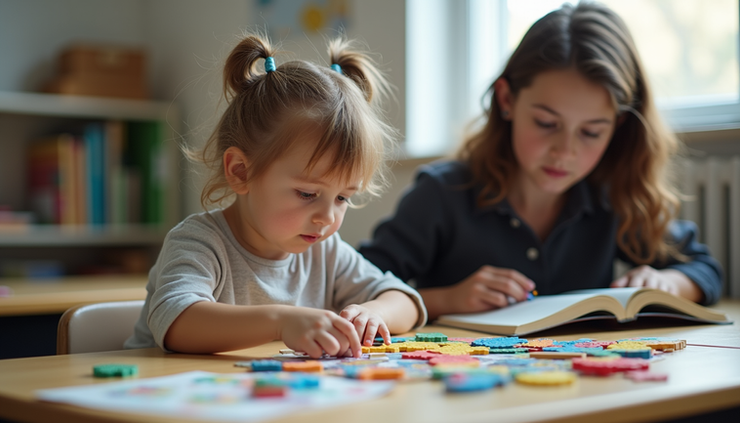
How Children’s Behavior Shapes Their Learning
Children are naturally curious and learn best through exploration and play. Their attention spans are shorter, and they often need frequent breaks and varied activities to stay engaged. Emotional support and positive reinforcement are crucial because children are still developing self-confidence and social skills.
Learning through play: Children absorb information by interacting with their environment. Hands-on activities, games, and storytelling help them understand new concepts.
Need for structure: Clear routines and consistent rules provide a safe space where children feel secure and ready to learn.
Social learning: Children learn a lot by watching and imitating peers and adults. Group activities encourage cooperation and communication skills.
Adult Learners Have Different Motivations and Needs
Adults bring life experience and prior knowledge to the classroom, which influences how they approach learning. They tend to be more self-directed and goal-oriented, often seeking practical skills that apply directly to their personal or professional lives.
Goal-driven learning: Adults want to understand why they are learning something and how it benefits them. Relevance and application matter more than abstract theory.
Need for respect and autonomy: Adults prefer to be treated as equals and appreciate opportunities to contribute their ideas and experiences.
Varied learning styles: Adults may have established preferences for how they learn best, such as reading, listening, or doing. Flexibility in teaching methods helps accommodate these differences.
Adjusting Teaching Strategies for Each Group
Effective teaching requires tailoring approaches to fit the learner’s stage of development and needs.
For children, use interactive and multisensory activities that make learning fun and memorable. Break lessons into small, manageable parts and provide frequent encouragement.
For adults, focus on problem-solving and real-world examples. Encourage discussion and reflection to connect new knowledge with existing experience.
Both groups benefit from clear objectives and feedback, but the way these are delivered should differ. Children need more guidance and reassurance, while adults appreciate constructive criticism and opportunities for self-assessment.
Building a Supportive Learning Environment
Creating a positive atmosphere is essential for both children and adults. For children, this means a warm, nurturing space where mistakes are part of learning. For adults, it involves respect, trust, and recognition of their efforts.
Teachers can foster motivation by:
Setting achievable goals
Celebrating progress
Encouraging collaboration
Understanding these behavioral and emotional needs helps learners stay engaged and confident.


