Navigating the Rising Costs of Teacher Resources in Today's Economy

Teachers face many challenges today, but one of the most pressing is the rising cost of classroom resources. As budgets tighten and prices increase, educators struggle to provide quality materials for their students. This issue affects not only teachers but also the learning experience of countless children. Understanding the factors behind these rising costs and exploring practical solutions can help teachers manage their classrooms more effectively.

Why Teacher Resources Are Becoming More Expensive
Several factors contribute to the increasing prices of teacher resources:
Supply chain disruptions: Global events have caused delays and shortages in paper, printing materials, and classroom supplies, pushing prices higher.
Inflation: General inflation affects everything from paper to technology, making it more expensive to buy even basic items.
Increased demand for digital tools: Many schools now require digital subscriptions, software, and devices, which add ongoing costs.
Limited school budgets: Funding cuts or stagnant budgets mean schools cannot absorb these price increases, often passing costs onto teachers.
For example, a pack of standard notebooks that cost $3 five years ago may now cost $5 or more. Similarly, digital learning platforms that once offered affordable rates have raised prices due to licensing and development costs.
The Impact on Teachers and Students
Teachers often pay out of pocket to fill gaps in classroom supplies. This financial strain can lead to:
Reduced variety of teaching materials: Teachers may limit resources to essentials, reducing creativity and engagement.
Increased stress and burnout: Constantly worrying about money for supplies adds to teachers’ workload and emotional burden.
Unequal learning opportunities: Students in underfunded schools or low-income areas may miss out on important resources, widening achievement gaps.
A 2022 survey by the National Center for Education Statistics found that nearly 60% of public school teachers spent an average of $500 annually on classroom supplies. This amount has grown steadily, reflecting the rising costs and insufficient school funding.
Practical Strategies to Manage Rising Costs
Teachers can take several steps to navigate these challenges without sacrificing quality:
1. Use Free and Low-Cost Resources
Many websites and organizations offer free lesson plans, worksheets, and activities. Examples include:
Teachers Pay Teachers (free and paid options)
Khan Academy for digital lessons
Library resources for books and multimedia
These resources can supplement or replace costly materials.
2. Collaborate with Other Teachers
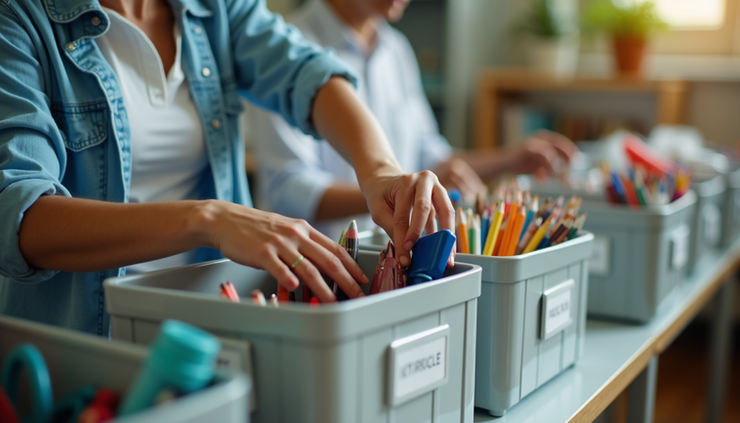
Pooling resources with colleagues can reduce individual expenses. Sharing supplies, borrowing materials, or organizing group purchases can lower costs.
3. Seek Community Support
Local businesses, parent-teacher associations, and nonprofits often provide donations or grants for classroom needs. Writing clear requests explaining the impact can increase chances of support.
4. Prioritize Durable and Reusable Materials
Investing in quality items that last longer can save money over time. For example, sturdy binders, whiteboards, or digital tools with multi-year licenses reduce frequent replacements.
5. Advocate for Better Funding
Teachers can join forces with unions and advocacy groups to push for increased school budgets and fair resource allocation. Public awareness campaigns can highlight the importance of supporting educators.
Embracing Technology Wisely
While digital tools add costs, they also offer opportunities to save money and enhance learning:
Open-source software can replace expensive programs.
Digital textbooks often cost less than printed versions.
Online collaboration platforms reduce the need for physical handouts.
Teachers should evaluate the cost-benefit of each tool and seek free trials or discounts available for educators.
Final Thoughts on Managing Rising Costs
The rising costs of teacher resources create real challenges, but teachers can find ways to adapt and continue providing excellent education. By using free resources, collaborating, seeking community help, and choosing durable materials, educators can stretch their budgets further. At the same time, advocating for better funding remains essential to ensure all students have access to the tools they need.


